Building backlinks is one of the most crucial elements of search engine optimization (SEO). Whether you’re managing a new blog, an e-commerce store, or a business website, backlinks are the backbone of your online authority. In this comprehensive guide, we’ll explore what Build Backlinks are, why they matter, and proven strategies to build high-quality backlinks that drive long-term results.
What Are Backlinks?
A backlink, also known as an inbound link, is a hyperlink that points from one website to another. In SEO, backlinks act as “votes of confidence” for your content. When other reputable websites link to your page, search engines interpret this as a signal that your content is valuable, trustworthy, and worth ranking higher.
For example, if a marketing blog links to your article about “SEO strategies,” that backlink boosts your site’s authority in Google’s eyes. However, not all backlinks are created equal—quality matters more than quantity.
Why Are Backlinks Important for SEO?
Backlinks influence a website’s ranking in multiple ways. Here’s why they’re essential:
- Increase Domain Authority (DA):
High-quality backlinks from authoritative sites increase your site’s domain authority, which helps your pages rank higher on Google. - Drive Referral Traffic:
Backlinks from relevant blogs or publications can send direct traffic to your website, increasing exposure and potential conversions. - Faster Indexing:
Search engines use backlinks to discover new pages. When your content is linked from other sites, Google finds and indexes it faster. - Build Brand Credibility:
Getting mentioned by trusted sites positions your brand as an industry leader, improving your reputation and trustworthiness.
Types of Backlinks You Should Focus On
Not every backlink will help you rank better. To ensure your link-building efforts pay off, focus on these high-value backlink types:
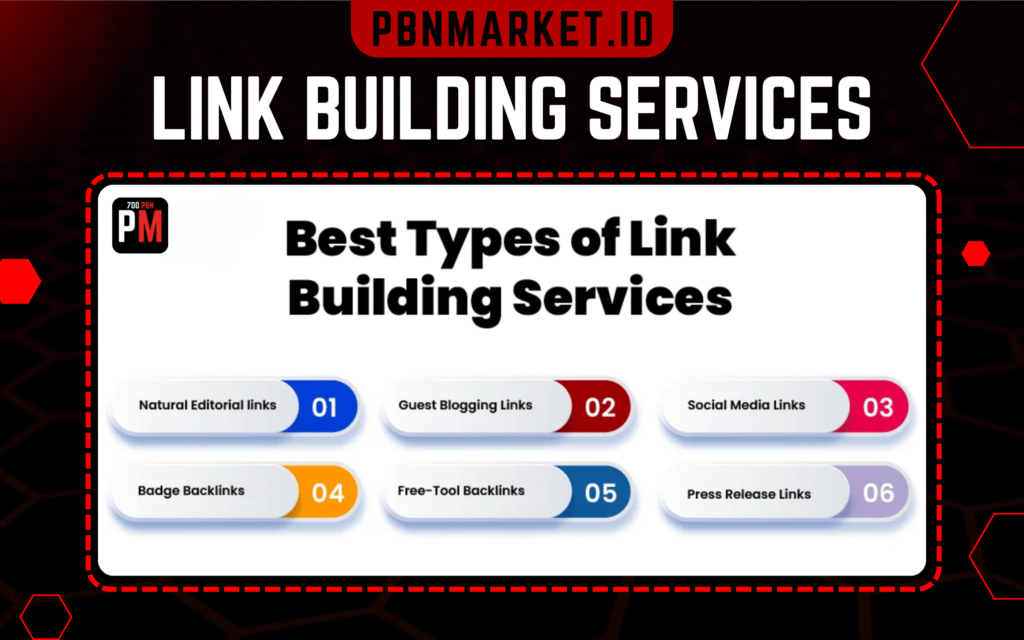
1. Editorial Backlinks
These are organic links that come from high-authority websites mentioning your content naturally. For example, when a journalist cites your study or blog post.
2. Guest Post Backlinks
Guest posting involves writing articles for other blogs in your niche with a link back to your site. This method builds authority and drives targeted traffic.
3. Business Profile Links
Creating profiles on directories like Google Business Profile, Yelp, or Crunchbase provides easy, legitimate backlinks.
4. Niche Edit Links
Also known as contextual backlinks, these links are added to existing articles on authoritative websites that are relevant to your niche.
5. Resource Page Links
These come from “resources” or “recommended tools” pages on other websites. If your content or product is useful, it can be featured there.
How to Build Backlinks: 10 Proven Strategies
Now that you understand the importance of Build Backlinks, let’s dive into actionable methods for building them effectively.
1. Create High-Quality, Link-Worthy Content
The foundation of all backlink strategies is content. Without valuable and original content, you’ll struggle to earn links naturally.
Types of content that attract backlinks:
- Original research or case studies
- Infographics
- In-depth guides and tutorials
- Data-driven blog posts
- Industry statistics and reports
Make your content unique, visually appealing, and filled with practical insights. The more value it offers, the more likely people are to link to it.
2. Guest Blogging on Relevant Websites
Guest blogging remains one of the most effective and ethical ways to build backlinks. By contributing high-quality articles to other websites in your niche, you can gain exposure and valuable backlinks.
Steps to do it right:
- Identify high-DA websites relevant to your niche.
- Send a personalized outreach email with topic ideas.
- Write valuable content that fits their audience.
- Include a contextual backlink to your website.
Pro Tip: Avoid spammy sites that sell links or publish low-quality guest posts. Always prioritize quality over quantity.
3. Broken Link Building
Broken link building involves finding dead or broken links on other websites and offering your own content as a replacement. It’s a win-win strategy — you help webmasters fix errors while earning backlinks.
How it works:
- Use tools like Ahrefs Broken Link Checker or Check My Links.
- Find broken links on relevant sites in your niche.
- Create or use similar content on your site.
- Contact the webmaster and suggest your link as a replacement.
This technique is highly effective because you’re offering genuine value.
4. Use the Skyscraper Technique
Developed by Brian Dean of Backlinko, the Skyscraper Technique involves improving existing top-ranking content and reaching out to sites linking to the original source.
Steps to follow:
- Find a top-performing article with many backlinks.
- Create a better, more detailed version.
- Reach out to the sites linking to the original article and suggest they link to your improved version instead.
This method helps you earn high-quality backlinks and establish authority in your niche.
5. Build Backlinks Through Infographics
Visual content like infographics is highly shareable and linkable. You can design informative infographics related to your niche, publish them on your site, and reach out to bloggers or journalists to share them.
Best practices:
- Keep design clean and data accurate.
- Include your website URL in the graphic.
- Offer an embed code for easy sharing.
Infographics combine content marketing and link-building into one powerful strategy.
6. Get Featured on Podcasts and Interviews
Being featured on podcasts or giving interviews is a modern way to earn backlinks. Many podcast websites include a “guest bio” section with links to your site and social profiles.
Benefits:
- Boosts your personal and brand authority.
- Attracts new audiences from different platforms.
- Earns natural backlinks from reputable sources.
Reach out to hosts in your niche or platforms like Podmatch and MatchMaker.fm to find opportunities.
7. Leverage HARO (Help a Reporter Out)
HARO connects journalists with experts for quotes and insights. By responding to journalist queries, you can get featured on major publications and earn powerful backlinks.
How to use HARO:
- Sign up at helpareporter.com.
- Choose your niche and monitor daily queries.
- Respond with concise, expert answers.
- If selected, you’ll get featured with a backlink to your website.
This method can land you backlinks from high-authority sites like Forbes, HubSpot, or Business Insider.
8. Build Relationships with Industry Influencers
Networking plays a huge role in link-building. Building genuine relationships with bloggers, journalists, and influencers in your niche can help you earn backlinks naturally over time.
Ways to connect:
- Engage with their content on social media.
- Comment on their blog posts.
- Offer collaborations or expert contributions.
When people trust your brand, they’re more likely to link to your content.
9. Use Social Media and Communities
Social signals might not directly impact SEO rankings, but they amplify your content reach, which can lead to natural backlinks.
Platforms to promote your content:
- LinkedIn and Twitter (for B2B content)
- Reddit and Quora (for niche communities)
- Facebook groups (for targeted audiences)
Participating in discussions and sharing insights increases your brand visibility — and more visibility means more link opportunities.
10. Monitor Your Backlinks and Competitors
Tracking your backlinks helps you understand what’s working and where to improve. At the same time, analyzing your competitors’ backlink profiles can reveal potential link sources for your own site.
Useful tools:
- Ahrefs
- SEMrush
- Moz Link Explorer
- Google Search Console
You can identify new referring domains, lost backlinks, and link opportunities by studying your competitors’ strategies.
Common Mistakes to Avoid in Link Building
While Build Backlinks is essential, certain practices can harm your SEO instead of improving it. Avoid these common mistakes:
- Buying links from spammy sites – This violates Google’s guidelines and can lead to penalties.
- Over-optimizing anchor text – Using exact-match keywords excessively looks unnatural.
- Ignoring link relevance – Links from unrelated niches add no real SEO value.
- Publishing low-quality guest posts – Always focus on delivering real value, not just getting a link.
Sustainable backlink building is about quality, relevance, and consistency.
Tools to Help You Build Backlinks Effectively
Here are some of the best tools to simplify your backlink-building process:
- Ahrefs – For backlink analysis and competitor research.
- SEMrush – To find link-building opportunities and outreach prospects.
- Hunter.io – To find email addresses for outreach campaigns.
- BuzzStream – For managing outreach and link relationships.
- Google Search Console – To track and monitor your backlinks.
Using the right combination of tools saves time and ensures accurate tracking.
How Long Does It Take to See Backlink Results?
Link building isn’t an overnight process. It typically takes 3 to 6 months to notice measurable improvements in your search rankings and organic traffic. The timeline depends on factors like your domain authority, competition, and link quality.
Consistency is key — building backlinks steadily over time creates a strong and sustainable SEO foundation.
The Future of Link Building in 2025 and Beyond
As Google’s algorithms evolve, the focus is shifting toward authentic, user-centric link building. Here’s what’s shaping the future:
- AI-driven link analysis: Google now identifies natural vs. artificial link patterns more efficiently.
- E-E-A-T signals (Experience, Expertise, Authority, Trust): Backlinks from experts or credible sources will matter even more.
- Brand mentions as backlinks: Even unlinked brand mentions can impact SEO visibility.
- Quality over quantity: A single backlink from a top-tier publication can outweigh hundreds of low-value links.
In 2025 and beyond, building genuine relationships and producing authoritative content will remain the most effective backlink strategy.
Conclusion: Build Backlinks the Smart Way
Build Backlinks is not just about increasing numbers — it’s about building authority, trust, and visibility for your brand.
The key takeaway is simple: focus on earning links, not manipulating them. Create exceptional content, engage with your community, and leverage proven outreach strategies.
When done right, backlinks can transform your SEO performance, driving sustainable organic traffic and long-term growth.