
Introduction:
In the ever-evolving world of digital marketing, backlinks remain one of the most influential factors in determining a website’s ranking on search engines. Whether you are an SEO expert, a blogger, or a business owner aiming to strengthen your online presence, understanding backlinks is essential.
This guide will walk you through everything you need to know about Backlink — what they are, why they matter, types of backlinks, and how to build them effectively for long-term SEO success.
What Are Backlinks?
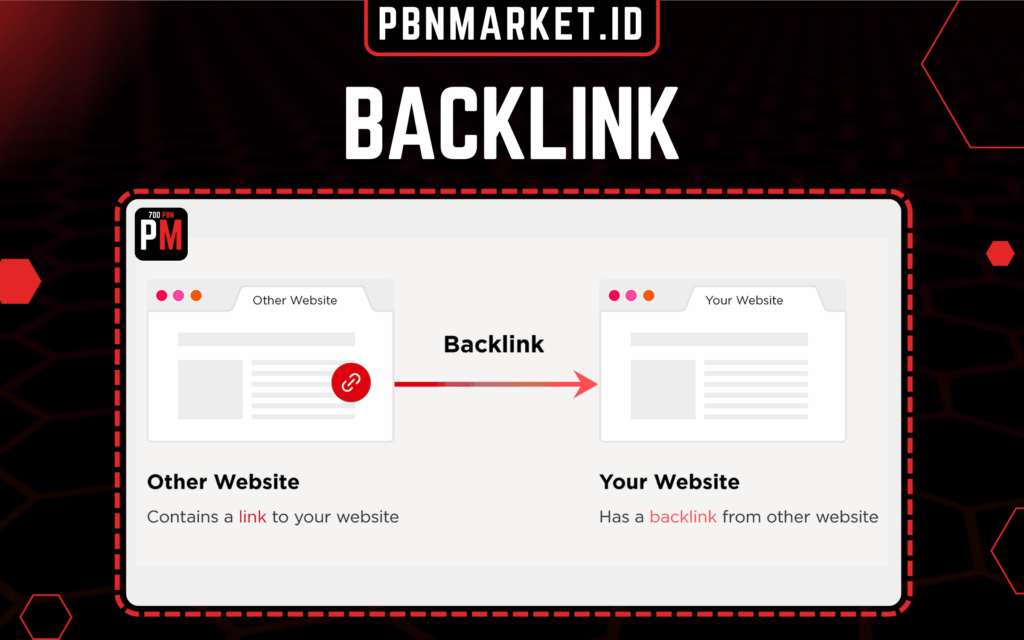
A backlink (also known as an inbound or incoming link) is a link from one website to another. In simple terms, if a site links to your page, that’s a backlink to your website.
Search engines like Google use backlinks as a way to determine the authority, credibility, and relevance of a website. Think of backlinks as votes of confidence — the more quality votes you have, the more trustworthy your site appears in the eyes of search engines.
For example:
If a reputable website like Forbes links to your article, Google interprets that as a sign of credibility, boosting your chances of ranking higher in search results.
Why Are Backlinks Important for SEO?
Backlinks are one of the top three ranking factors in Google’s algorithm, alongside content quality and user experience. Here’s why backlinks matter so much:
1. Improve Search Engine Rankings
Search engines view backlinks as endorsements. The more high-quality backlinks you have, the higher your website tends to rank on search engine results pages (SERPs).
However, quality matters far more than quantity. A single backlink from a trusted site like Ahrefs or Moz can be more valuable than dozens from low-quality directories.
2. Increase Website Traffic
When other websites link to yours, their readers may click those links to learn more — bringing direct referral traffic. For example, if a popular marketing blog links to your guide on “SEO tools,” you could gain hundreds of targeted visitors.
3. Build Brand Authority
Backlinks help establish your brand as an industry authority. When trusted websites mention your content, it signals that your insights are valuable and reliable.
4. Faster Indexing
Search engine bots use backlinks to discover new pages. If your website gets linked from high-authority sources, your pages will be crawled and indexed faster.
Types of Backlinks
Not all backlinks are created equal. Understanding the types of backlinks helps you focus on strategies that truly impact SEO.
1. Dofollow Backlinks
A do follow link passes authority (often referred to as “link juice”) from one site to another. These links help improve your website’s domain authority and ranking potential.
2. Nofollow Backlinks
A no follow link includes a tag that tells search engines not to pass link juice. While these don’t directly affect rankings, they can still bring valuable referral traffic and brand exposure.
3. Sponsored Backlinks
When a link is part of a paid collaboration, it must include the rel=”sponsored” attribute. Google introduced this to maintain transparency and prevent manipulative linking practices.
4. UGC (User-Generated Content) Backlinks
These are links that come from user-generated content, like forum posts or blog comments. They’re tagged with rel=”ugc” to differentiate them from editorial links.
5. Contextual Backlinks
These are links placed within the body of content, surrounded by relevant text. Contextual backlinks are the most powerful because they provide both SEO value and context relevance.
High-Quality vs. Low-Quality Backlinks
To achieve real SEO success, focus on acquiring high-quality backlinks rather than chasing numbers. Here’s how they differ:
| Factor | High-Quality Backlink | Low-Quality Backlink |
| Source | Reputable, authoritative website | Spammy or irrelevant site |
| Relevance | Comes from content related to your niche | From unrelated or random topics |
| Anchor Text | Naturally used within content | Keyword-stuffed or irrelevant |
| Placement | Within the body of content | In footer, sidebar, or comments |
| Impact | Improves rankings and credibility | Can harm SEO or trigger penalties |
How to Build Backlinks (White-Hat Strategies)
Building Backlink requires time, strategy, and consistency. Let’s explore proven white-hat link-building techniques that deliver sustainable results.
1. Create High-Quality Content
Content is the backbone of any backlink strategy. When you publish unique, valuable, and insightful content, others naturally want to reference it.
Examples:
- Comprehensive Guides: In-depth tutorials that solve specific problems.
- Case Studies: Original research and data that others want to cite.
- Infographics: Visually engaging data that’s easy to share.
2. Guest Posting
Guest posting involves writing articles for other reputable websites in your niche. In return, you can usually include one or two backlinks to your site.
To succeed:
- Target websites with high domain authority.
- Focus on quality content, not self-promotion.
- Build long-term relationships with editors.
3. Broken Link Building
This strategy involves finding broken (non-working) links on other websites and suggesting your content as a replacement.
Steps:
- Use tools like Ahrefs or Check My Links to find broken links.
- Contact the webmaster and let them know about the issue.
- Recommend your content as a replacement.
It’s a win-win situation — you help them fix their site while earning a backlink.
4. Skyscraper Technique
The skyscraper technique involves finding popular content in your niche, creating something even better, and reaching out to those who linked to the original.
Steps:
- Identify top-performing content with many backlinks.
- Create a more comprehensive and updated version.
- Reach out to sites linking to the old content and suggest yours as an improvement.
5. HARO (Help a Reporter Out)
HARO connects journalists with expert sources. By responding to journalists’ queries, you can earn backlinks from top media outlets like Forbes, Entrepreneur, or Business Insider.
6. Collaborate with Influencers
Partnering with influencers in your niche for interviews, podcasts, or joint blog posts can help you earn backlinks from their platforms and followers.
7. Resource Page Link Building
Many websites have resource pages that list useful tools, guides, or articles. You can pitch your content to be included in these lists.
Backlink Building Tools You Should Use
Several tools make Backlink research and outreach easier. Here are some must-have tools for any SEO professional:
- Ahrefs: Best for backlink analysis and competitor research.
- SEMrush: Comprehensive SEO tool with backlink audits and tracking.
- Moz Link Explorer: Provides domain authority metrics and link insights.
- Majestic: Offers detailed backlink profile data with trust flow metrics.
- BuzzSumo: Helps identify shareable content and influencer opportunities.
How to Analyze and Monitor Backlinks
Earning backlinks is only half the battle — you must also monitor their quality and performance.
Here’s what to check:
- Referring Domains: The number of unique websites linking to you.
- Anchor Text Distribution: Ensure it’s natural, not over-optimized.
- Link Growth: Track how your backlink profile evolves over time.
- Toxic Links: Identify and disavow spammy links that can harm SEO.
You can use Google Search Console or tools like Ahrefs to regularly audit your backlinks.
Common Backlink Mistakes to Avoid
Even with the best intentions, some strategies can harm your rankings. Avoid these common backlink pitfalls:
1. Buying Backlinks
Paid backlinks violate Google’s Webmaster Guidelines and can lead to penalties. Focus on organic, earned links instead.
2. Excessive Link Exchanges
While occasional collaborations are fine, excessive link swapping looks manipulative and can trigger algorithmic red flags.
3. Irrelevant Backlinks
Links from unrelated niches confuse search engines about your website’s focus and reduce authority.
4. Over-Optimized Anchor Text
Using the same keyword repeatedly in your anchor text looks unnatural. Mix branded, generic, and keyword-rich anchors for balance.
Future of Backlinks in SEO
While SEO evolves constantly, backlinks continue to play a crucial role. However, the focus is shifting toward link quality, context, and user intent rather than volume.
Emerging Trends:
- AI-Based Link Evaluation: Google’s AI systems are getting smarter at identifying manipulative link patterns.
- Brand Mentions: Even unlinked brand mentions may influence rankings in the future.
- Relevance Over Quantity: A few niche-relevant backlinks can outperform hundreds of irrelevant ones.
The key to long-term success lies in earning links naturally through exceptional content and genuine relationships.
Conclusion:
Backlinks are the backbone of effective SEO — they enhance credibility, drive traffic, and improve visibility across search engines. But success doesn’t come from shortcuts. It comes from consistent effort, valuable content, and ethical link-building strategies.
By focusing on quality over quantity, creating link-worthy resources, and building authentic connections in your industry, you can establish a Backlink profile that stands the test of time.
Remember: great backlinks are earned, not bought.
If you’re serious about improving your website’s authority and ranking potential, start building meaningful backlinks today — one link at a time.
I don’t evesn understand how I stopped up here, but I believed this put up was onxe good.
I don’t recognise who you’re but definitely you are going too a famos blogger should you are
not already. Cheers!